10 TikTok content ideas for brands that want useful reach
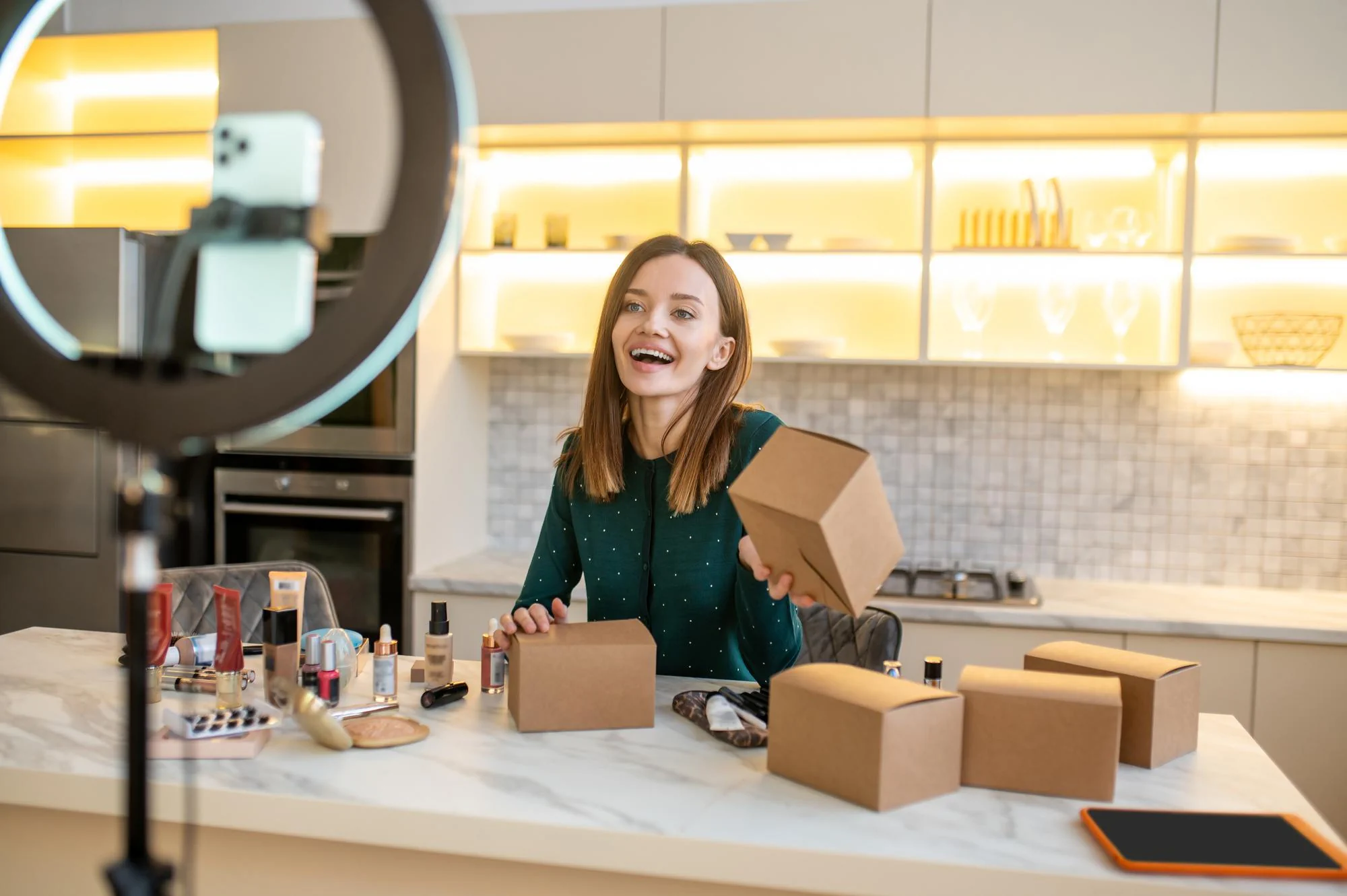
TikTok content works best when it feels specific. A brand does not need to copy every trend, dance, or meme to earn attention. It needs repeatable formats that help the right viewers understand a problem, see proof, trust the brand, and take the next step.
This guide gives you 10 TikTok content ideas you can actually plan, film, and test. Each idea includes a practical angle, example hooks, and a measurement tip so the article is not just another list of vague inspiration.
If you publish across several networks, treat TikTok as one part of the system. A strong TikTok can often become a YouTube Short, Instagram Reel, Facebook Reel, LinkedIn video, or X post with the right edits. Postoria helps you plan and schedule content across major social media platforms from one calendar, so your tests stay organized.
Before you use these ideas: choose the job of the video
Every TikTok should have a job. Otherwise, you may get views without learning anything.
Choose one primary goal:
- Discovery: Reach new people who do not know your brand.
- Trust: Prove that you understand the audience’s problem.
- Education: Teach something useful enough to save.
- Demand: Make the audience want the result your product or service helps create.
- Conversion: Move viewers toward a profile visit, click, inquiry, booking, or purchase.
Then pick a format from the list below.
1. Misconception teardown
A misconception teardown corrects something your audience believes that is incomplete, outdated, or costly.
How it works
Start with a common belief, then explain what is missing.
Hook examples:
- “You do not need more content ideas. You need a better approval process.”
- “Stop choosing skincare by skin type alone. Check this first.”
- “The reason your cafe posts do not drive visits is not the photo quality.”
Why it works
People pay attention when you challenge a belief they recognize. The key is to be useful, not smug. Show the better approach clearly.
Best for
Consultants, SaaS brands, agencies, educators, local services, beauty brands, fitness businesses, and ecommerce products that solve misunderstood problems.
What to measure
Track comments, saves, profile visits, and whether people ask follow-up questions.
2. “Choose this, not that” comparison
This format helps viewers make a decision quickly.
How it works
Compare two options and explain when each one makes sense.
Examples:
- “Use a carousel when the buyer needs steps. Use a short video when the buyer needs proof.”
- “Choose the 30-minute appointment if you need maintenance. Choose the 60-minute appointment if you want a full reset.”
- “Pick the starter plan if you manage one brand. Pick the agency setup if you manage clients.”
Why it works
Comparison content reduces uncertainty. It also creates natural saves because viewers may need the decision later.
What to measure
Track saves and profile visits. If the post is product-related, track clicks or inquiries too.
3. Behind-the-scenes with a constraint
Behind-the-scenes content is stronger when it has a clear constraint. Instead of “a day in the life,” show a specific challenge.
How it works
Film a process while adding a rule, deadline, budget, or problem.
Hook examples:
- “We had 20 minutes to prepare this customer order. Here is what happened.”
- “How we create a full week of posts from one product photo session.”
- “What a client approval process looks like when the deadline is tomorrow.”
Why it works
The constraint creates tension. The process creates trust. Viewers get to see how the work is done, not just the finished result.
What to measure
Track watch time, completion, and comments that mention the process.
4. Before, during, after
This is a simple structure for showing transformation without over-explaining.
How it works
Show three stages:
- The starting problem
- The process or change
- The result or lesson
Examples:
- Before: messy content calendar. During: batching and approvals. After: scheduled week.
- Before: empty restaurant table. During: prep and plating. After: finished dish and customer reaction.
- Before: unclear LinkedIn profile. During: headline and content pillars. After: stronger positioning.
Why it works
Transformation content is easy to understand visually. It also works well for services because the viewer can see progress.
What to measure
Track completion rate and shares. If the result is strong, adapt the same story into other channels.
5. Comment-to-video answers
Comments are one of the best sources of TikTok ideas because they show what the audience wants explained.
How it works
Answer a real question in a short, direct video. Start with the question on screen, then give the answer in steps.
Example structure:
- “Someone asked: how often should a small business post?”
- “Here is the simple version.”
- “Start with three useful posts per week.”
- “Add more only when quality and consistency are stable.”
Why it works
It feels conversational, and it proves that the brand listens. It can also turn one good post into a series.
What to measure
Track replies, new questions, and whether viewers ask for examples.
6. Operator point of view
This format works well when your brand has experience behind the scenes. It lets a founder, marketer, owner, or specialist explain what they would do differently.
How it works
Use a first-person angle:
- “If I were opening a second location, I would post these five updates first.”
- “If I were rebuilding our content calendar today, I would start here.”
- “If I had to launch this product with no ad budget, this would be my plan.”
Why it works
People trust content that sounds like it came from someone who has done the work.
What to measure
Track saves, shares, and profile visits. This format often works well for authority building.
7. Myth vs. reality
Myth vs. reality videos are useful when your audience has unrealistic expectations.
How it works
Show the myth first, then the reality, then the practical advice.
Examples:
- Myth: “You need to post every day to grow.” Reality: consistency matters, but the right cadence depends on the team and content quality.
- Myth: “Every TikTok needs to be funny.” Reality: clear, useful, specific content can also perform well.
- Myth: “Automation makes content robotic.” Reality: automation helps when humans still control the idea, voice, and review.
Why it works
It creates a clear contrast and gives viewers a reason to keep watching.
What to measure
Track comments. Strong myth posts often trigger agreement, disagreement, or questions.
8. Use cases by audience type
One product or service can solve different problems for different people. This format helps each viewer see themselves.
How it works
Create a quick list of use cases by segment.
Example:
“Three ways different teams use a social media calendar:
- Creators: plan content batches without losing spontaneity.
- Small businesses: schedule posts around offers and local events.
- Agencies: separate client workspaces and avoid missed approvals.”
Why it works
It makes your value clearer without sounding like a sales pitch.
What to measure
Track profile visits, clicks, and comments from people identifying their segment.
9. “Three mistakes and the fix”
Mistake videos are common because they work, but they are only useful when the fixes are specific.
How it works
Name three mistakes and give one action for each.
Example:
- Mistake: posting the same caption everywhere. Fix: rewrite the hook for each platform.
- Mistake: reviewing results too soon. Fix: compare posts after the same time window.
- Mistake: relying on trends only. Fix: build recurring formats you can repeat.
Why it works
The viewer gets immediate value. The format is clear enough to film quickly.
What to measure
Track saves and shares. A good mistake post should feel like a checklist.
10. Mini-series with a clear promise
A mini-series is one of the best ways to avoid random posting.
How it works
Choose one promise and publish several short episodes.
Examples:
- “Five days of fixing your social media calendar”
- “Seven local business post ideas in seven days”
- “Four TikTok hooks we would test for a new product launch”
- “One content mistake per day this week”
Why it works
A series gives people a reason to return. It also makes planning easier because each post belongs to a larger idea.
What to measure
Track repeat engagement, follower growth, profile visits, and whether later episodes keep attention.
A two-week TikTok testing plan
Do not test all 10 ideas at once. Use a controlled plan.
| Day | Format | Goal |
|---|---|---|
| Monday | Misconception teardown | Discovery |
| Wednesday | Behind-the-scenes with a constraint | Trust |
| Friday | Three mistakes and the fix | Saves |
| Next Monday | Comment-to-video answer | Conversation |
| Next Wednesday | Use cases by audience type | Demand |
| Next Friday | Mini-series episode one | Retention |
Keep each video focused. Change the format, not every variable at once. If you change the topic, style, hook, length, and CTA every time, you will not know what caused the result.
TikTok planning checklist
Before publishing, check:
- Does the video have one clear audience?
- Does the first line name a real problem, question, or tension?
- Can the viewer understand the point without reading a long caption?
- Is the CTA appropriate for the goal?
- Can this idea become a follow-up post?
- Did you record the hook, topic, format, and result so you can learn from it later?
For deeper platform-specific work, pair this idea list with a keyword workflow like TikTok SEO for brands and a distribution review like TikTok algorithms: reach with repeatable formats.
Conclusion
Good TikTok content is not random. It starts with a clear job, a specific audience, and a repeatable format you can test again.
Use these 10 ideas to build a content library that teaches, proves, compares, answers, and invites people into your brand’s world. Then review the results, keep the formats that attract the right viewers, and turn your best videos into a broader social media workflow.