TikTok for Small Businesses: How to Sell Without Dancing or Going Viral
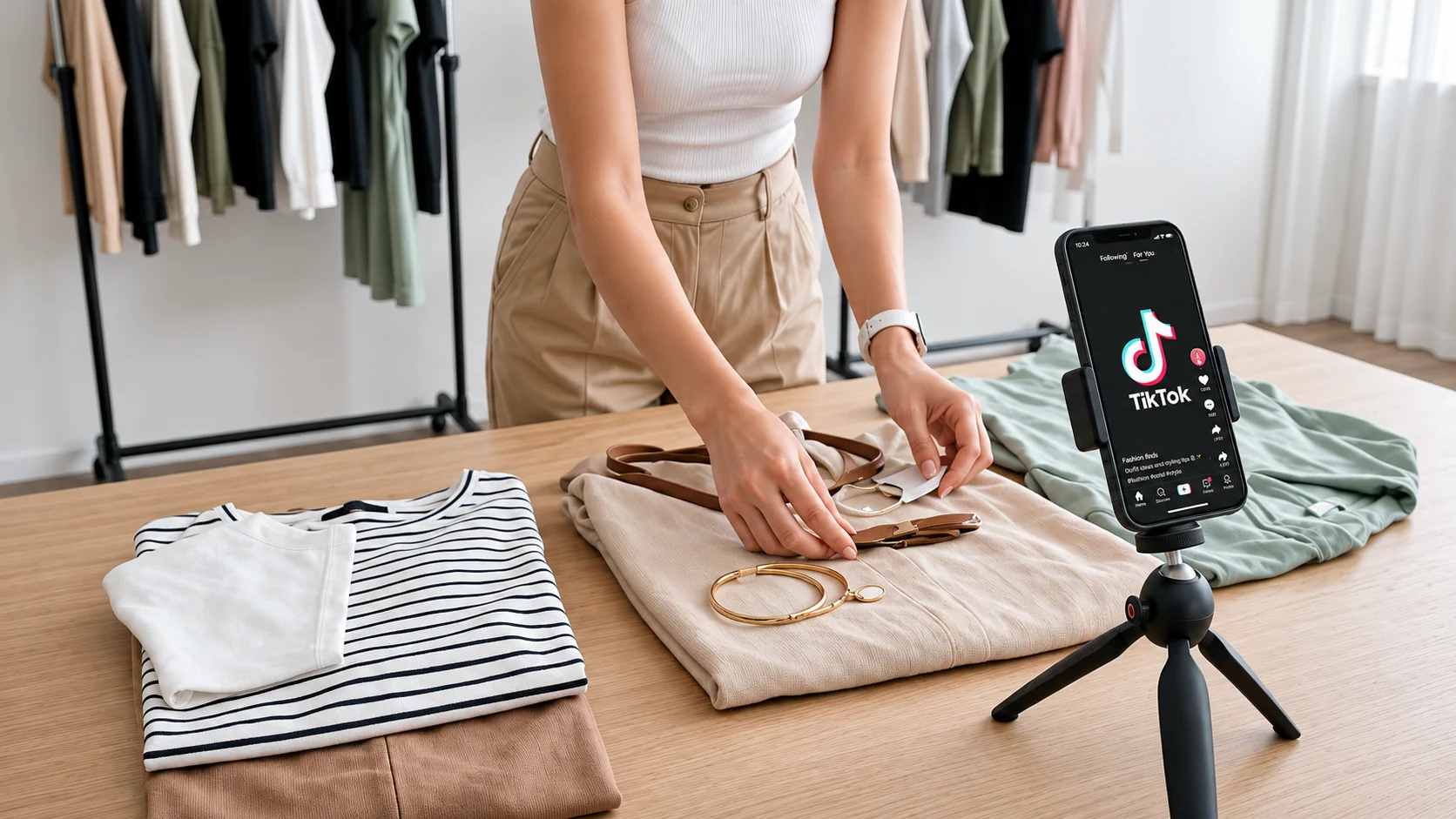
You open TikTok to see how other businesses promote their products. Within minutes, you’re watching dance challenges, trending sounds, and videos with millions of views. You think, “There’s no way I’m doing that for my business.”
Maybe you own a boutique, bakery, or consulting business. You’re not trying to become an internet celebrity. You want people to discover your business, understand what you offer, and eventually become customers.
You don’t need to dance, become an influencer, or get a million views to make TikTok useful for your business. You need content that helps the right people understand why your product or service matters.
Here’s how to create TikTok videos that support real business goals without constantly chasing trends.
1. Stop treating TikTok like an entertainment contest
TikTok is known for entertainment, but that doesn’t mean every business video needs to be funny, dramatic, or trend-driven.
People also use TikTok to discover products, compare options, learn new skills, and find answers to everyday questions.
A hairstylist can explain how to maintain a haircut between appointments. A coffee shop can demonstrate how cold brew is prepared. A furniture store can show how a folding table fits into a small apartment.
None of these businesses needs an elaborate performance. They need something useful to show.
Before creating a video, ask yourself:
- Who would find this information useful?
- What problem or question does the video address?
- How does the topic relate to what my business sells?
- What should viewers understand after watching?
A video that answers a genuine customer question may be more valuable to your business than one that attracts thousands of viewers who have no interest in buying.
2. Show your product instead of just describing it
Imagine you’re shopping for a portable blender.
One TikTok says, “Our blender is amazing!” Another shows someone making a smoothie, cleaning the blender, and packing it for a weekend trip.
Which video would help you make a buying decision?
The second video demonstrates what the product actually does. It gives potential customers useful information instead of asking them to believe a promotional claim.
Product demonstration ideas
Clothing stores: Show how fabrics move, how different sizes fit, and how one item can be styled for different occasions.
Home product businesses: Demonstrate setup, cleaning, maintenance, and how products work in real living spaces.
Beauty businesses: Show application techniques, product textures, and differences between available options.
Service businesses: Explain your process, show completed work with permission, and demonstrate what customers can expect during an appointment.
Keep each video focused on one useful idea.
You don’t need to explain every product feature in 30 seconds. Show one detail that helps someone understand whether your offer is right for them.
The goal isn’t simply to make your product look attractive. It’s to help viewers imagine using it.
3. Turn customer questions into videos
If customers ask you the same questions every week, you already have a source of TikTok content ideas.
A skincare business might regularly hear:
- “How much product should I use?”
- “What’s the difference between these two moisturizers?”
- “Can I use this product in the morning?”
A furniture store might hear:
- “Will this sofa fit in a small living room?”
- “How difficult is assembly?”
- “What should I measure before ordering?”
These questions are useful because they come from people who are already considering a product or service.
Try this simple video structure
- Start with the question: “Will this sofa fit in a small living room?”
- Show the answer: Demonstrate the sofa in a realistically sized space.
- Add practical context: Explain which measurements matter before ordering.
- Suggest a next step: Direct viewers to the product dimensions or available options.
This approach creates content that feels helpful rather than overly promotional.
It also makes filming easier. Instead of inventing a new concept every day, you can turn customer conversations into short, focused videos.
4. Address the reasons people hesitate to buy
Sometimes customers are interested in a product but aren’t ready to purchase.
They may wonder whether it’s worth the price, whether it will work for them, how delivery works, or what happens if they’re dissatisfied.
These concerns are excellent topics for TikTok videos.
Imagine you sell handmade leather bags. You could create videos showing:
- What fits inside each bag
- How different sizes compare
- Why certain materials affect the price
- How to clean and maintain the leather
- Which bag works best for everyday use or travel
Each video answers a question that might otherwise prevent someone from buying.
Service businesses can use the same approach.
A photographer might explain what happens during a first session. A cleaning company could describe what’s included in different service packages. A consultant could walk through the initial consultation process.
Be specific and transparent. If a product or service isn’t suitable for everyone, explain who it’s best for.
Helping someone make an informed decision is more valuable than trying to convince everyone to buy.
5. Make comparison videos that help people decide
Customers often need to choose between different products, services, or approaches.
Comparison videos make those decisions easier.
You don’t need to criticize competitors or declare one option universally better. Explain the meaningful differences and show when each choice makes sense.
For example:
- Clothing boutique: “Straight-leg vs. wide-leg jeans: Which fit is right for you?”
- Coffee shop: “Cold brew vs. iced coffee: What’s the difference?”
- Skincare brand: “Gel moisturizer vs. cream moisturizer: How to choose”
- Service provider: “One-time consultation vs. ongoing support: What do you need?”
A good comparison answers three questions:
- What’s different about the options?
- Who is each option best suited for?
- What should customers consider before choosing?
These videos can be particularly useful when your products have different sizes, features, prices, or use cases.
Even if someone doesn’t purchase immediately, you’ve helped them move closer to a decision.
6. Show real situations instead of generic advertisements
Consider two TikTok videos promoting storage containers.
The first says, “High-quality storage containers. Shop now.”
The second shows someone organizing a cluttered kitchen cabinet using three containers, explaining why each size was chosen.
The second video makes the product’s value easier to understand because viewers can see it solving a familiar problem.
Think about situations in which customers actually use your products or services.
A bakery can show how an order is prepared for pickup. A pet store can demonstrate how a puzzle feeder works. A cleaning service can explain how customers should prepare for an appointment.
Behind-the-scenes footage can also help people understand your business.
Show how products are made, how orders are packed, how your team prepares for customers, or how you maintain quality.
These moments don’t need to be dramatic. They simply need to reveal something useful or interesting.
You don’t need a professional studio, expensive equipment, or actors. A smartphone, good lighting, and a clear idea are often enough to get started.
7. Give viewers a useful next step
A TikTok video can create interest, but that interest doesn’t automatically lead to a purchase.
Sometimes viewers enjoy a demonstration, understand the product, and keep scrolling because the business never explains what to do next.
That’s why your videos need appropriate calls to action.
Depending on your account and the features available to you, viewers may be able to visit your profile, explore your website, contact your business, or use a supported shopping option.
Try simple CTAs such as:
- “Check our profile for more product details.”
- “Visit our website to see available sizes.”
- “Contact us to ask about custom orders.”
- “Explore the full collection before choosing.”
- “Have a question about this product? Leave it in the comments.”
The best CTA depends on the purpose of the video.
An educational video might encourage questions or saves. A product demonstration might direct viewers to product details. A service explanation might invite potential customers to inquire about availability.
Avoid adding several competing instructions to the same video.
Give viewers one clear, relevant next step.
Remember that TikTok’s linking, commerce, and publishing features can vary by account type, region, and platform requirements.
8. Build repeatable content series instead of chasing trends
One of the biggest challenges for small businesses on TikTok is deciding what to post next.
If every video requires a completely new concept, content creation quickly becomes exhausting.
Repeatable content categories make the process more manageable.
Consider building your account around five recurring themes:
- Customer questions: Answer one frequently asked question per video.
- Product in action: Demonstrate a feature, benefit, or practical use.
- Before you buy: Explain what customers should consider before making a decision.
- Behind the business: Show production, order preparation, or service delivery.
- Common mistakes: Help viewers avoid a problem related to your industry.
For example, a small bakery could create a weekly series answering questions about custom cake orders.
One video might explain how far in advance customers should order. Another could show how cake sizes compare. A third might demonstrate how different decorations affect the finished design.
These videos are connected, but each one provides useful information on its own.
Repeatable categories also make planning easier. You can collect ideas throughout the week and film several videos during one session.
You don’t need to follow every trend to stay active. You need a content system you can maintain.
9. Measure customer interest, not just viral views
A TikTok video with 100,000 views can feel like a major success.
But what if it generates no inquiries or purchases?
Now imagine another video gets 3,000 views and attracts several qualified customers.
The second video may contribute more to your business, even though its reach is much smaller.
Views are useful for understanding distribution, but they don’t tell the whole story.
Depending on your business goals, pay attention to:
- Profile visits: Are viewers interested enough to learn more about your business?
- Website traffic: Are people exploring your products or services?
- Product inquiries: Are potential customers asking relevant questions?
- Leads and bookings: Are your videos creating business opportunities?
- Purchases: Are viewers becoming customers?
- Revenue: Can you reasonably connect TikTok activity to business results?
Use TikTok’s available analytics alongside website analytics, sales records, and customer conversations.
Look for patterns over time.
Which product demonstrations attract interested viewers? Which customer questions generate inquiries? Which comparisons encourage people to explore your products?
Don’t judge your entire strategy by one viral video or one disappointing post.
The goal is to learn which content attracts people who may actually become customers.
15 TikTok video ideas for small businesses
Not sure what to film first? Start with these practical ideas:
- Demonstrate your most popular product in everyday use.
- Answer a question customers ask before purchasing.
- Compare two products or service options.
- Explain what makes your product different.
- Show how you prepare and package an order.
- Demonstrate a product solving a common problem.
- Explain a mistake customers should avoid.
- Show exactly what customers receive after purchasing.
- Introduce the person or team behind your business.
- Explain how to choose the right size, model, or service.
- Share an authentic customer experience with permission.
- Show your workspace or production process.
- Explain what affects your pricing.
- Demonstrate a practical tip related to your product.
- Walk viewers through the ordering or booking process.
You don’t need to try all 15 ideas immediately.
Choose three or four formats that match your business and are easy to produce consistently. Then observe which topics generate useful conversations, inquiries, or other meaningful actions.
A practical 30-day TikTok plan
You don’t need an ambitious daily posting challenge to start using TikTok for business.
Instead, give yourself 30 days to test a few content categories, understand your audience, and build a manageable workflow.
Week 1: Introduce your business
Help new viewers understand what you sell, who your products or services are for, and how they work.
Start with a straightforward introduction, a product demonstration, and a video explaining a common customer problem.
Week 2: Answer customer questions
Turn frequently asked questions into short videos.
Cover product details, comparisons, practical concerns, and information customers need before making a decision.
Week 3: Build trust
Show how your business operates.
Share behind-the-scenes footage, useful demonstrations, and authentic customer experiences where appropriate.
Focus on helping viewers understand what they can expect from your business.
Week 4: Test offers and calls to action
Explain how customers can order, book, or contact your business.
Highlight specific products or services and experiment with clear calls to action.
Compare the responses to different topics and formats.
Choose a publishing frequency you can maintain. Two or three useful videos per week may be a more realistic starting point than committing to daily posts you can’t sustain.
The purpose of your first month isn’t to reach an arbitrary view count. It’s to discover which content attracts relevant interest and which formats you can repeat.
How to organize your TikTok publishing with Postoria
Once you’ve identified useful content categories, the next challenge is publishing consistently without spending every day creating something from scratch.
Postoria’s TikTok post scheduler helps small businesses prepare and schedule supported TikTok content, subject to account, format, and API requirements.
You can organize video assets, prepare captions, and use a visual calendar to plan your publishing schedule.
For example, your weekly content plan might look like this:
- Monday: Answer a customer question.
- Tuesday: Demonstrate a product.
- Wednesday: Compare two options.
- Thursday: Show something behind the scenes.
- Friday: Explain a common mistake.
You don’t need to publish every weekday. Choose a schedule that fits your resources and adjust it as you learn what works.
If you’re building your content library, explore these additional Postoria guides:
- TikTok content ideas for brands for practical formats you can adapt to your business.
- B2B TikTok talking video formats for service providers, consultants, and businesses that prefer educational videos.
- Short-form video strategy for brands for planning repeatable formats and testing content across social platforms.
Preparing videos in batches can make your schedule easier to maintain. Instead of filming every morning, you might dedicate one session to recording several demonstrations, customer answers, or behind-the-scenes clips.
Then organize the content in your calendar and prepare it for publication.
Review TikTok’s available analytics alongside your business records to identify which topics attract relevant interest.
Postoria can simplify the publishing process. Your content, offer, and customer experience determine whether viewers have a reason to buy.
Turn TikTok Views Into Real Business Opportunities
You don’t need to dance, buy expensive equipment, or make every TikTok video go viral to promote your small business.
Start with what your customers actually want to know. Demonstrate your products, explain your services, answer buying questions, and show what makes your business worth considering.
Create a few repeatable content formats, publish consistently, and pay attention to the actions that matter beyond views.
You don’t need millions of strangers watching your videos. You need the right people discovering why your business is worth choosing.